St. Cloud Pro Concrete
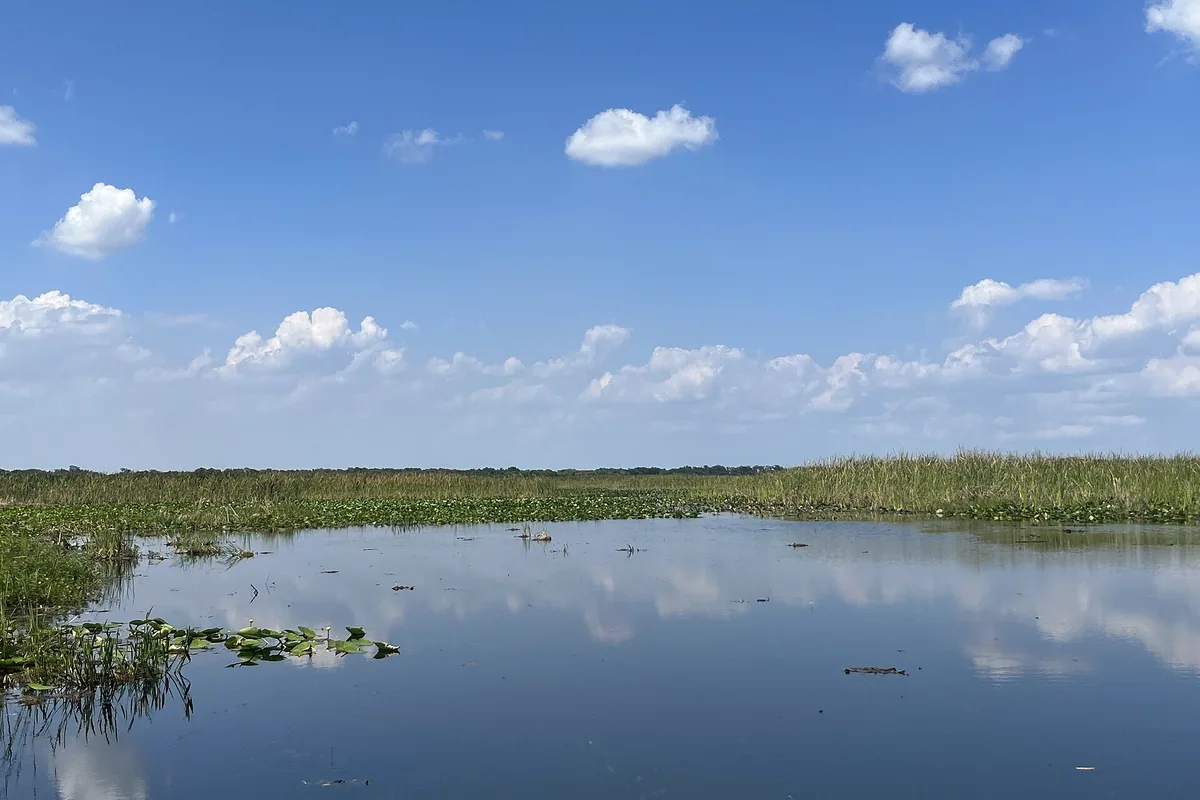
Open water of East Lake Tohopekaliga under a sky of fair-weather clouds

St. Cloud, FL Weather

Pouring Concrete in Florida Rain and Heat

Concrete can be poured year-round in Central Florida, but from late May to mid October the job is planned around afternoon storms and heat: the National Weather Service puts Orlando's wet season at May 24 to October 15 at the median, with about 61 percent of the year's rain, and concrete specifications cap fresh concrete at 95 degrees F. This guide covers timing, hot-weather limits and curing.

May 24 to Oct 15
Median wet season at Orlando (NWS Melbourne).
61%
Share of Orlando's yearly rain that falls in the wet season.
95 F
Maximum concrete temperature at discharge (ACI 301-16, ACI 305.1-14).

Last reviewed November 2026.

Pouring concrete in Florida rain: the wet season

East central Florida doesn't have four seasons so much as two. A National Weather Service Melbourne study of Orlando records found the wet season starts around May 24 and the dry season around October 15 at the median, and that the wet season, about 146 days, brings about 61 percent of the year's rain. Most of that falls in afternoon thunderstorms.

Orlando's two seasons and what they mean for a pour
SeasonMedian datesPouring
Dry seasonAbout Oct 15 to May 24Easiest scheduling; cooler mornings; spring is the busiest search season
Wet seasonAbout May 24 to Oct 15 (146 days)Pour early, finish before the afternoon storms, cover if needed

Source: Randy Lascody, The Onset of the Wet and Dry Seasons in East Central Florida, NWS Melbourne (2002). Search interest in concrete driveways and slabs in Florida peaks in March through May (Google Trends, 5 years).

Rain on fresh concrete

Water on a slab before it is finished thins the surface paste, so the top can dust and scale later and the finish is lost. Summer pours start at first light, are finished and covered before the storms build, and the crew keeps plastic sheeting on hand. Rain before the pour matters too: on a building slab, rain on termite-treated soil before the vapor retarder is down means treating it again (the termite pretreatment guide explains), and a soaked base on flatwoods sand has to dry and be recompacted (see the sandy soil guide).

Lily pads and marsh grass on East Lake Tohopekaliga
Lily pads and marsh grass on East Lake Tohopekaliga.

Pouring concrete in hot weather

The American Concrete Institute defines hot weather as a combination of high air temperature, high concrete temperature, low relative humidity and high wind speed, anything that speeds up moisture loss and hydration. Its specifications (ACI 301-16 and ACI 305.1-14) limit the concrete itself to 95 degrees F at discharge. ACI's hot-weather guidance also recommends precautions against plastic shrinkage cracking when surface evaporation approaches 0.2 pounds per square foot per hour.

  • Schedule the truck for early morning, before the sun heats the base and the forms.
  • Dampen the base sand just before the pour so it doesn't pull water out of the concrete.
  • Have extra hands ready so a large slab is finished before it stiffens.
  • Use an evaporation retarder, fogging or windbreaks when the surface is drying faster than it bleeds.
  • Keep the slab damp or covered through the first days of curing.

Curing and staying off it

Curing is keeping water in the slab long enough for it to gain strength. In Florida sun that means wet curing, a curing compound, or covers. Concrete Network's guidance for driveways is about a week before cars and about four weeks before RVs or heavy trucks; the footprints in a path walked on too soon are the familiar reminder.
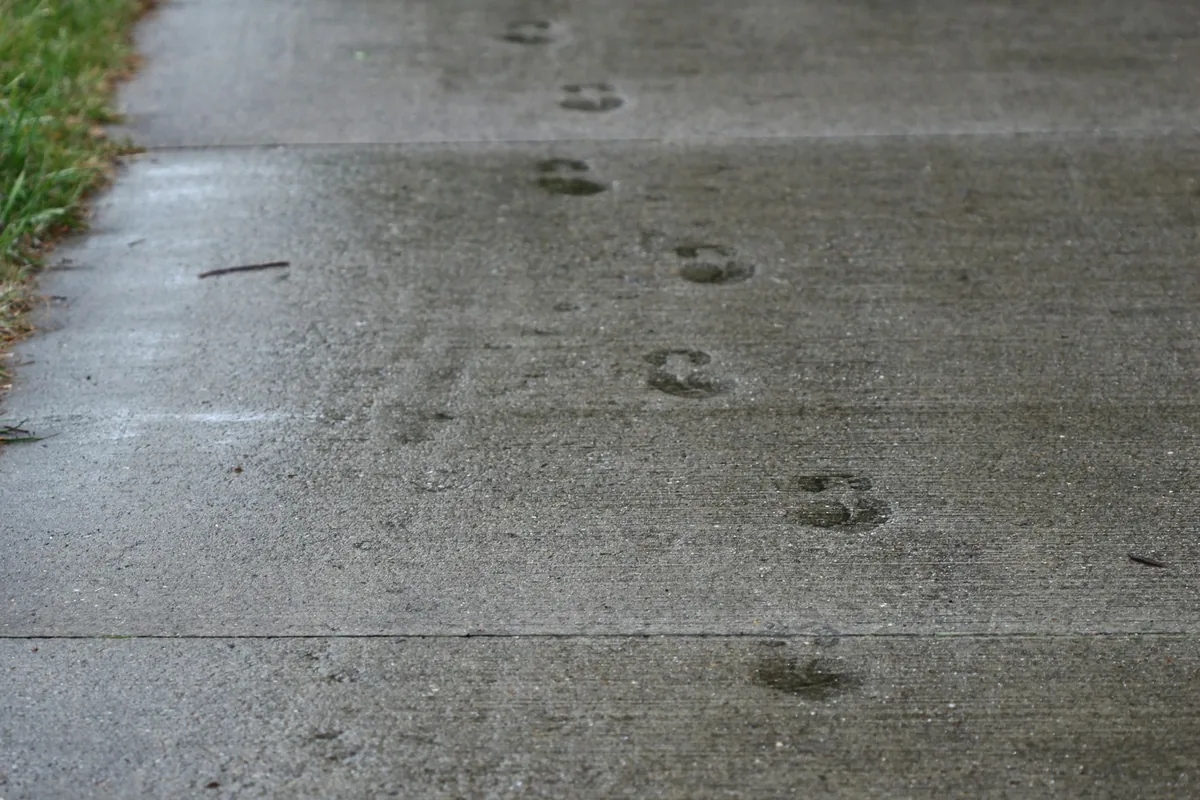
Footprints pressed into a concrete path beside a strip of grass
Footprints left in a path that was walked on before it set.
Get a Free Quote

Tell us the job and where it is. The quote is free.

Pouring Concrete in Rain and Heat: Questions

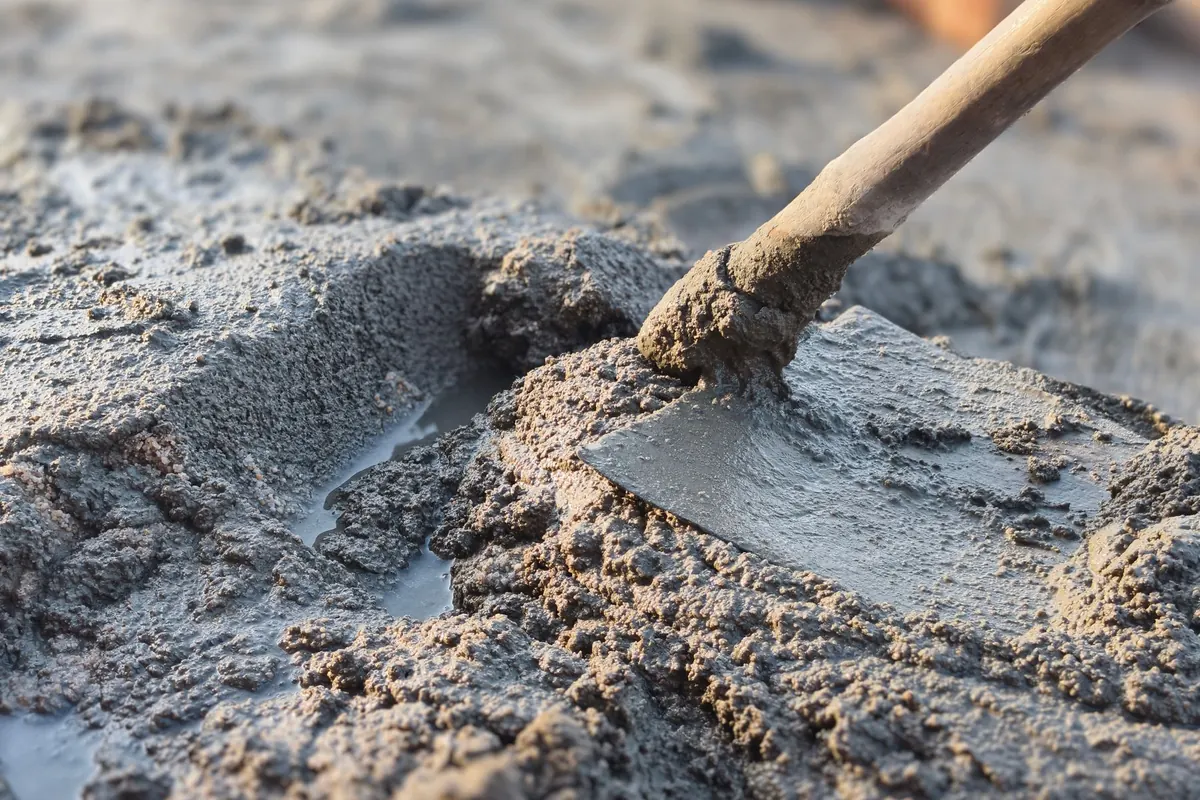
Close-up of a shovel working through wet concrete
Wet concrete being worked into place.

Can you pour concrete in the rain?

A light shower after the surface has been finished usually does little harm, but pouring into rain or getting a downpour on fresh, unfinished concrete adds water to the surface, weakens it and ruins the finish. In Central Florida summers crews pour in the morning, watch the radar, and keep plastic on site to cover a fresh slab if a storm builds early.

How hot is too hot to pour concrete?

The American Concrete Institute's specifications (ACI 301-16 and ACI 305.1-14) limit the concrete itself to 95 degrees F when it is discharged from the truck. Hot weather is defined by more than air temperature: high concrete temperature, low humidity and wind all speed up drying, which leads to plastic shrinkage cracks if the surface isn't protected.

When is Florida's rainy season around Orlando?

The National Weather Service office in Melbourne puts the median start of the wet season at Orlando on May 24 and the median start of the dry season on October 15. The wet season lasts about 146 days and brings about 61 percent of Orlando's annual rainfall.

How do you cure concrete in Florida heat?

Keep it from drying too fast. The American Concrete Institute lists fogging, evaporation retarders, wet burlap and windbreaks among the methods for hot weather. On a driveway or patio that usually means keeping the surface damp, or covering it, through the first days of curing, and staying off it until it has gained strength.

Planning around the weather?

Send the job and the address, and when you'd like it done. The quote is free.

Get a Free Quote