Last reviewed November 2026.
Concrete on sandy soil: the St. Cloud ground
| Soil | USDA description | Water |
|---|---|---|
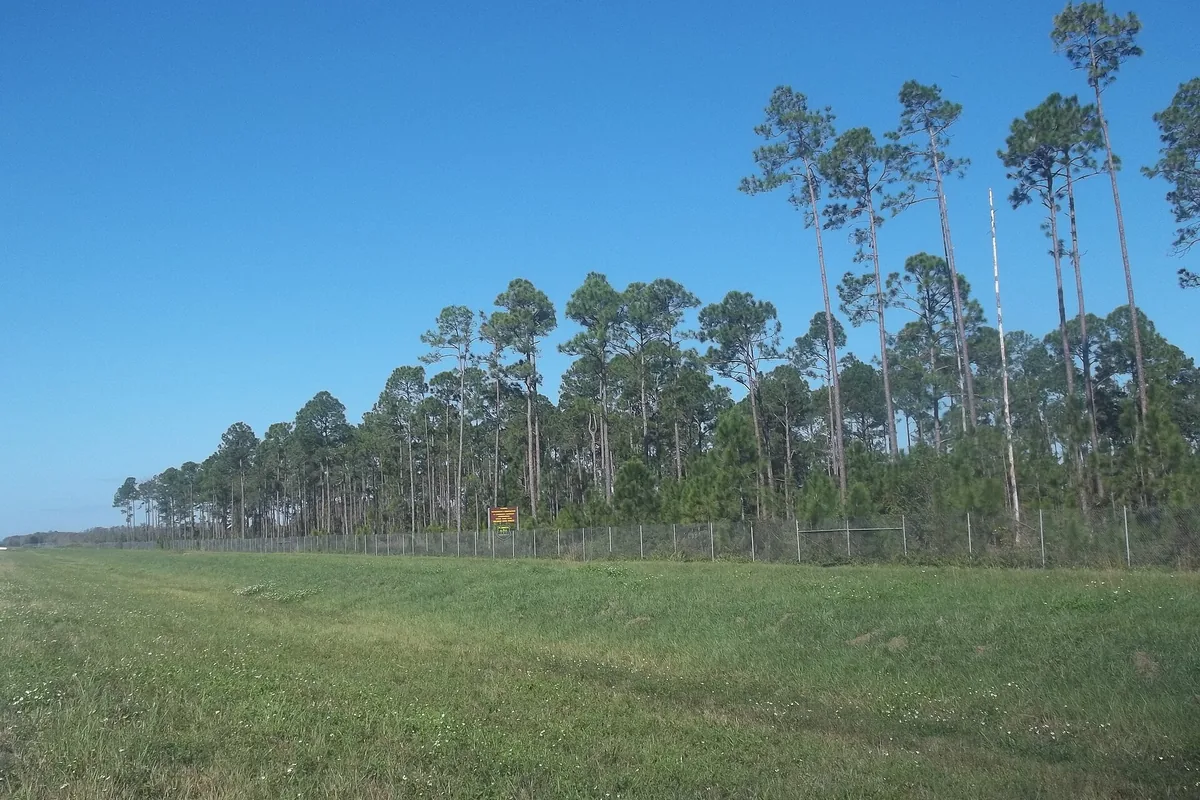
| Smyrna | Very deep, poorly to very poorly drained, formed in thick deposits of sandy marine materials | Water table under 18 in for 1 to 4 months in most years; 12 to 40 in for more than 6 months |
| Myakka (Florida's state soil) | Very deep, very poorly or poorly drained, mainly in mesic flatwoods of peninsular Florida | Slow internal drainage; slow to ponded runoff |
Sources: USDA NRCS Official Series Descriptions, Smyrna (rev. 11/97) and Myakka (rev. 02/2013).
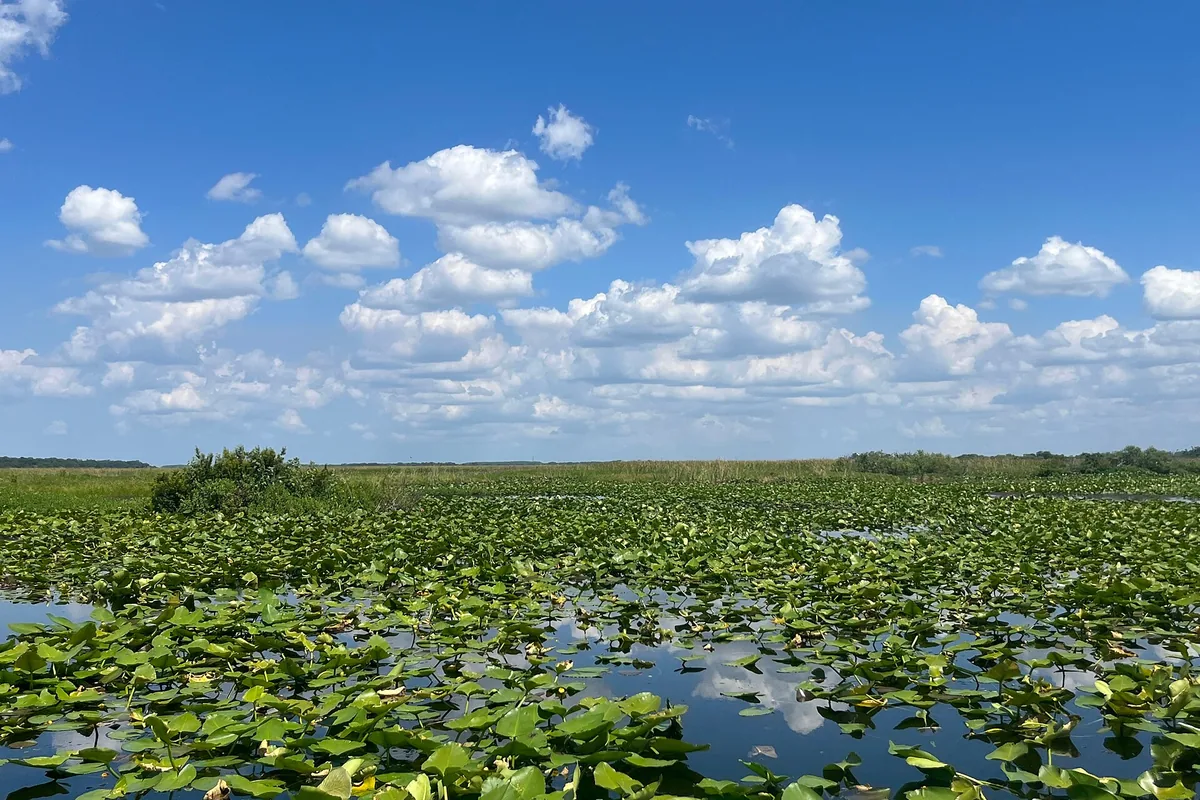
Sand isn't the enemy of concrete. Clean sand compacts well, drains fast at the surface and doesn't swell like clay. What the flatwoods add is water: a water table that rises toward the surface in the wet season and slow drainage when it does. A slab built for that sits a little higher than the ground around it, on a base that won't wash out.
How the base is prepared
- Strip sod, roots and any organic layer; dark, spongy material compresses and rots under a slab.
- Bring low areas up with clean fill, placed and compacted in thin layers rather than dumped in one lift.
- Compact the native sand the slab will sit on; loose sand settles under the first heavy load or the first soaking.
- Set the slab top above the surrounding grade and shape the ground to fall away from it.
- Move downspouts, AC condensate lines and sprinkler heads so water doesn't run along the slab edge.
Why edges fail first
Most cracked slabs and sunken driveway panels around here trace to water at an edge: a downspout dumping at a corner, a sprinkler soaking the same strip every morning, or a leak in an irrigation line underneath. Running water carries sand out from under the concrete, and the slab cracks across the void. The repair options are on the driveway repair page.
Lots near the lake
Homes close to East Lake Tohopekaliga and the wetlands around it, along the Narcoossee shore for example, tend to sit on the wettest ground. Fill, compaction and drainage matter most there, and pours are best scheduled in the dry season; the rain and heat guide gives the dates.