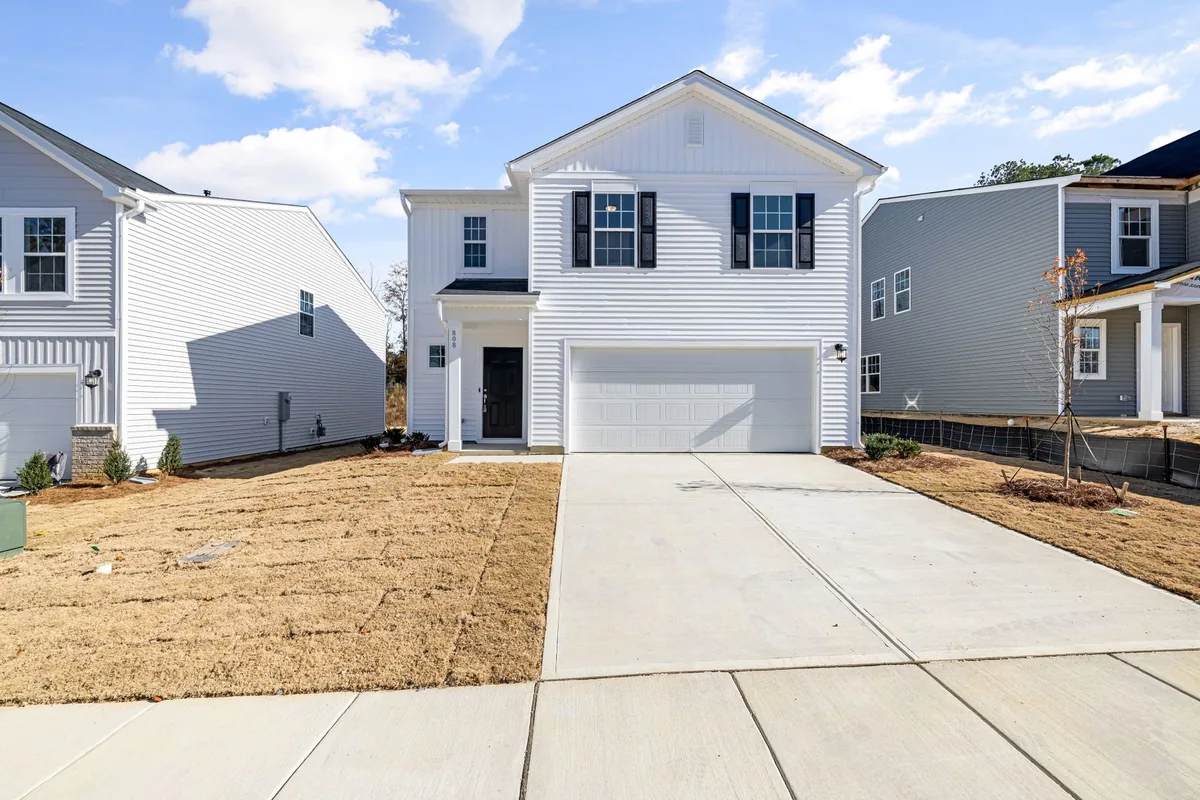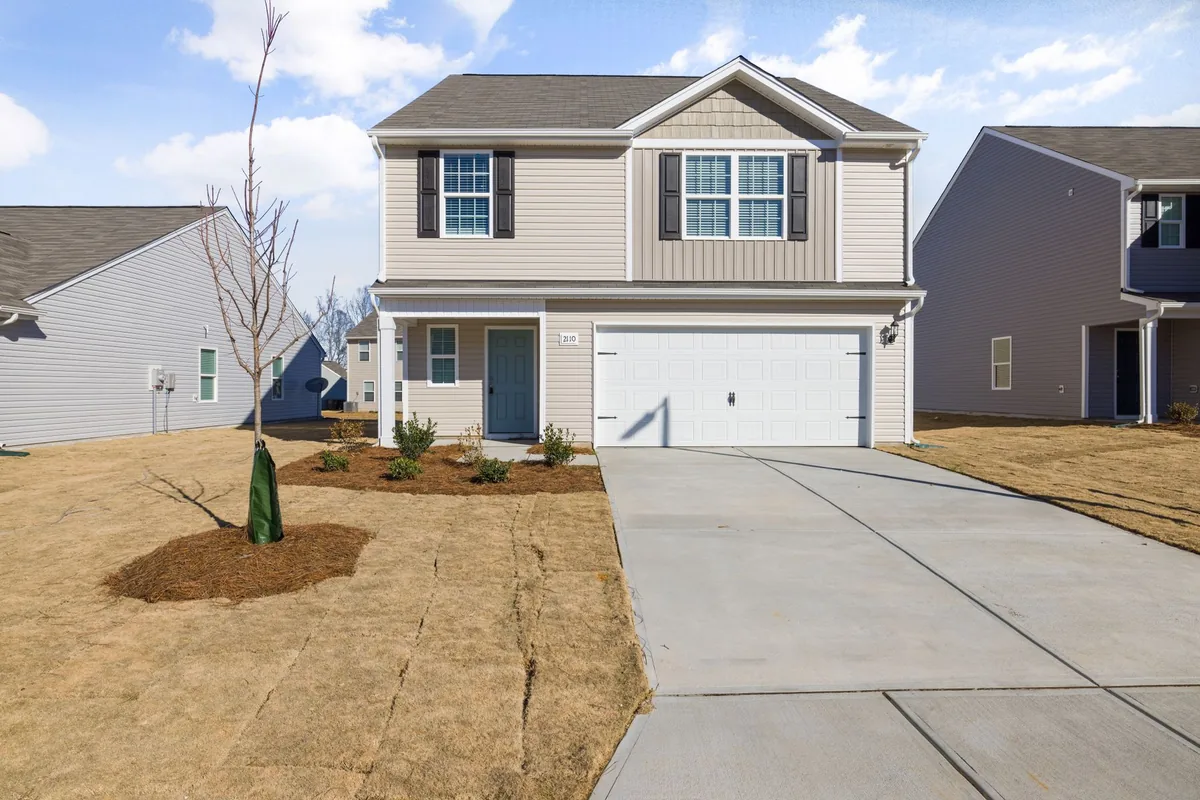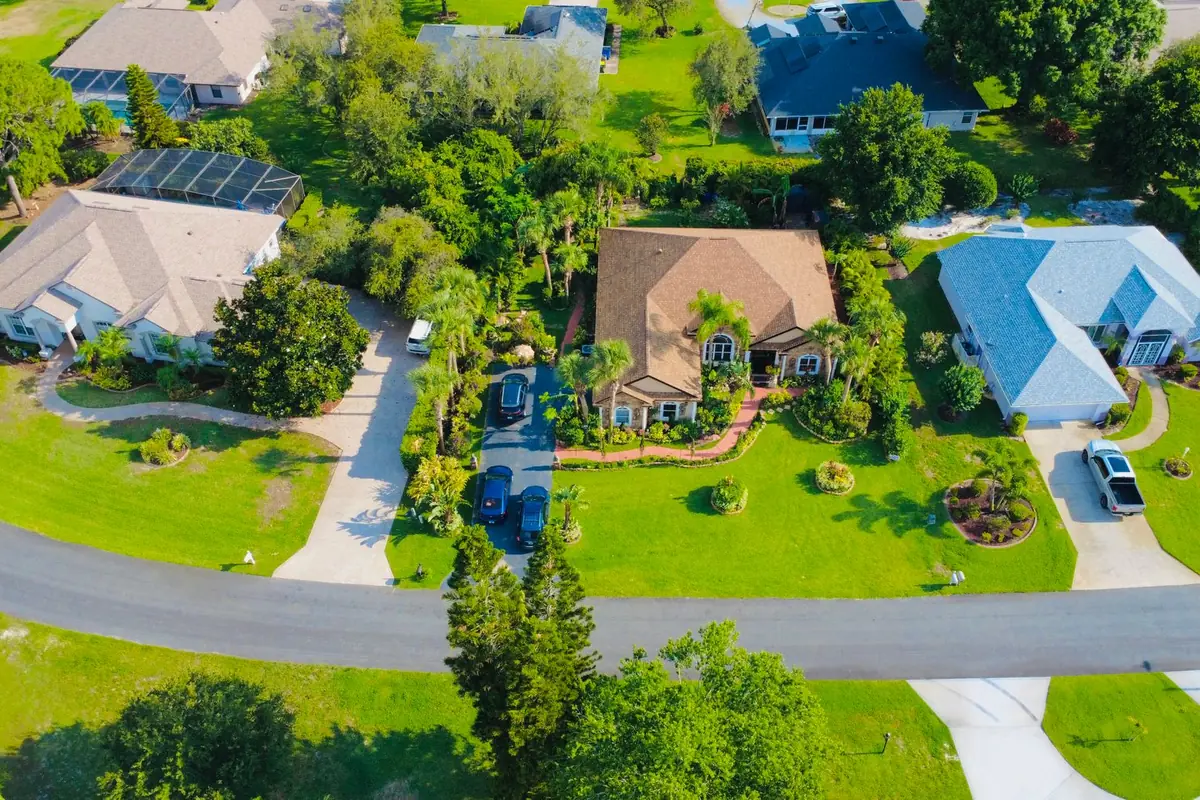
Driveway extension in St. Cloud FL: the common layouts
| Extension | Typical size | Check first |
|---|---|---|
| Extra lane beside a two-car driveway | 8 to 10 ft wide, garage to street | Total width at the curb; county 24 ft cap outside city limits |
| Side pad for a boat or camper | 10 to 12 ft wide, 20 to 30 ft long | Setbacks and HOA rules on parked trailers; 5 in or thicker concrete |
| Flare at the apron | A few feet each side at the street | Right-of-way permit and curb cut |
| Turnaround on a long rural drive | Varies | Drainage swales and culverts; county road specs |
Width cap: Osceola County Code Sec. 22-50.6. Thickness guidance: Portland Cement Association (4 in for cars, 5 in for trucks). Ask the City of St. Cloud's Public Works office about curb-cut width inside city limits.
The street end is the part with rules. Inside St. Cloud, any work in the right-of-way needs Public Works and Engineering approval, with fees of $110 per permit, $30 per curb cut and $100 per driveway inspection for a single-family home. In unincorporated Osceola County the widening itself needs a county driveway permit, and the apron between the road and the right-of-way line is poured 6 inches thick with mesh or fiber.
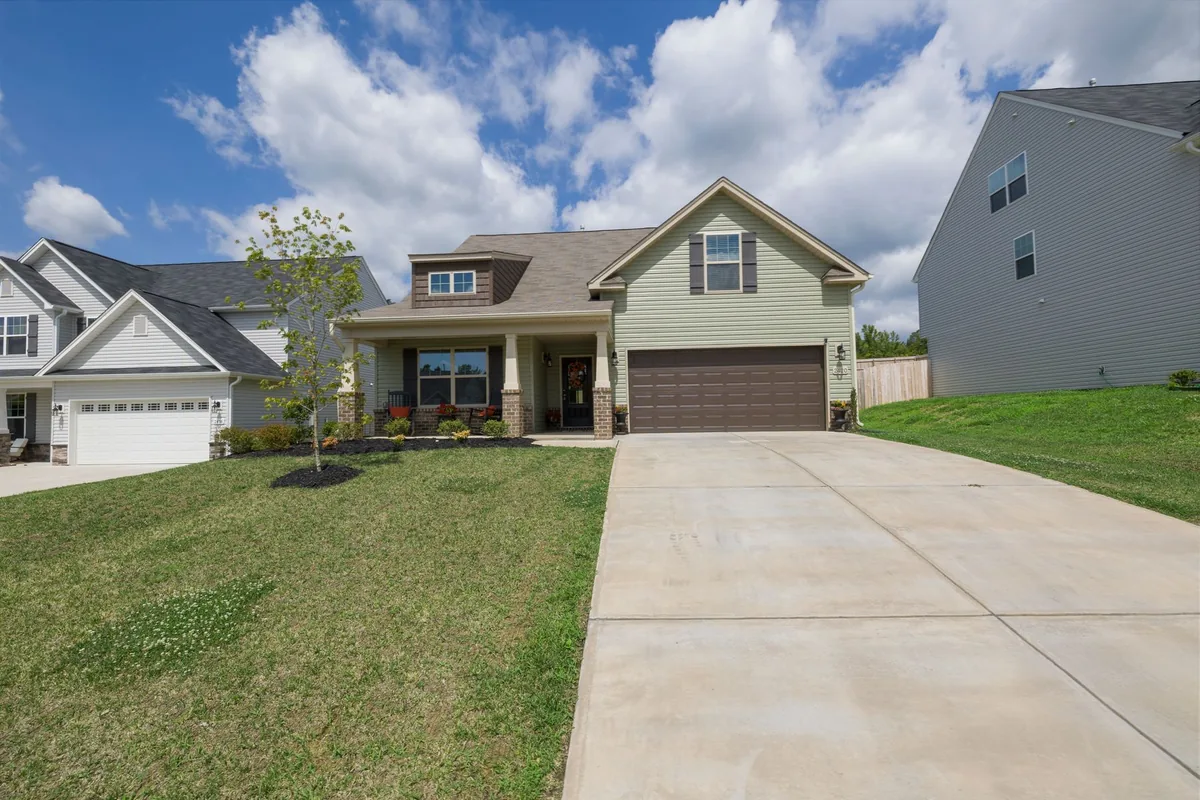
Tying new concrete to the old slab
Dowels and joints
An extension is poured against the edge of the existing driveway with smooth steel dowels drilled into the old slab, so the two can't shift up and down against each other while still moving with the seasons. The joint between them becomes a control joint, and new joints in the extension line up with the old ones so cracks don't jump across.
Base and drainage
The strip beside an old driveway is often the lowest, softest ground on the lot: a sod strip watered for years, sometimes a downspout outlet. It is dug out to firm sand, compacted, and graded so water doesn't now run toward the garage. A wider driveway also sheds more water into the yard or the swale, which is worth planning for on a flat lot.
Matching
Fresh concrete is lighter than old. A decorative band, a stamped border or resurfacing both sections together are the usual ways to make the join look intended.