Concrete driveway sealing in St. Cloud FL: what it does
A sealer is a protective coat, not a repair. On a St. Cloud driveway its job is to slow down the three things that make concrete look old here: orange streaks from well irrigation, black mildew in shady spots, and oil drips. It also deepens the color of stamped or colored concrete. It will not close a crack that is still moving or lift a sunken panel; those are driveway repairs.
Two kinds of sealer
| Type | How it works | Best for |
|---|---|---|
| Penetrating (silane or siloxane) | Soaks in and repels water without a film; finish looks unchanged | Plain broom-finished driveways; stays non-slip |
| Acrylic film (solvent or water based) | Forms a thin film on top; can add a wet look | Stamped and colored concrete; needs grit near pools |
Film sealers on stamped work are recoated every 2 to 3 years at about $2.50 to $4 per sq ft in the Orlando area (Angi, 2026).

Doing it yourself: the steps that matter
Sealing a plain concrete driveway is a reasonable weekend job. Most failures come from skipping the first three items below, not from the product.
- Treat rust stains and mildew first; a sealer locks in whatever is on the surface.
- Pressure-clean and let the concrete dry fully, usually a full day of sun; damp concrete under a film sealer turns white.
- Check the forecast. From late May to mid October, seal in the morning and only on a day without afternoon storms.
- Fill cracks with a flexible filler before sealing, and keep the control joints open.
- Apply thin coats with a roller or low-pressure sprayer; puddles of sealer dry cloudy and slick.
- Keep cars off it for the time on the product label.
When it is a job for a pro: stamped or colored concrete, a driveway with old sealer peeling in patches (it has to be stripped first), heavy rust staining across the whole slab, or a driveway that also needs cracks repaired. The rain and heat guide explains why the summer schedule is tight.
Rust stains from irrigation water
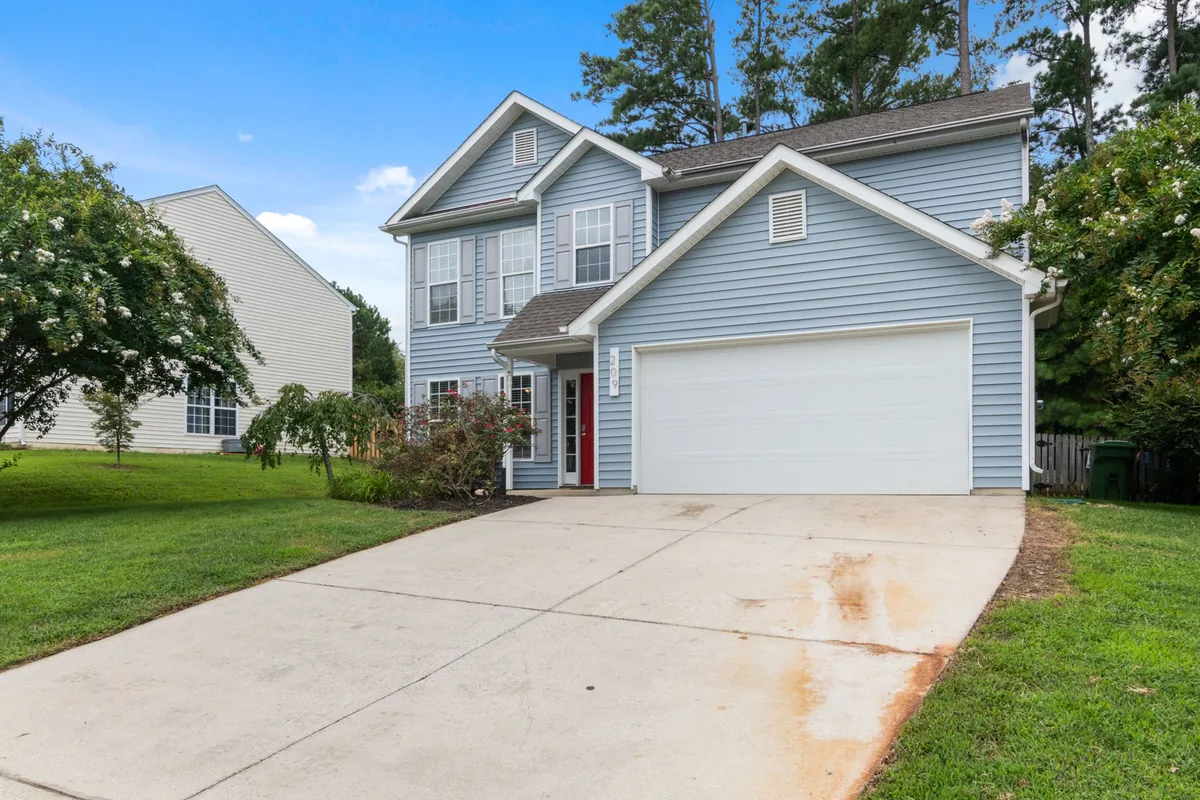
Much of the orange staining on St. Cloud driveways comes from iron in well water used for irrigation. A rust remover made for concrete lifts most of it, but the streaks return wherever a sprinkler keeps hitting the slab. The University of Florida's extension service points to treating the irrigation water as the best long-term fix; turning or swapping the heads that spray the driveway is the cheap one.