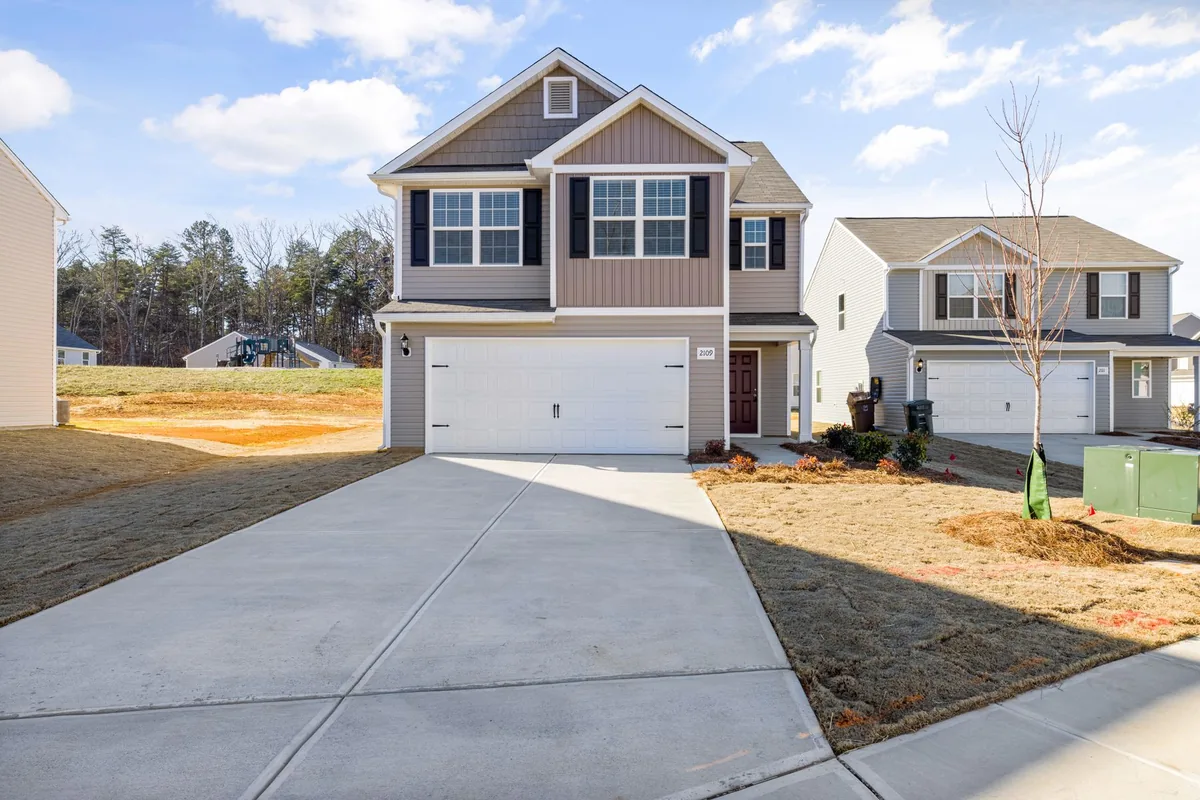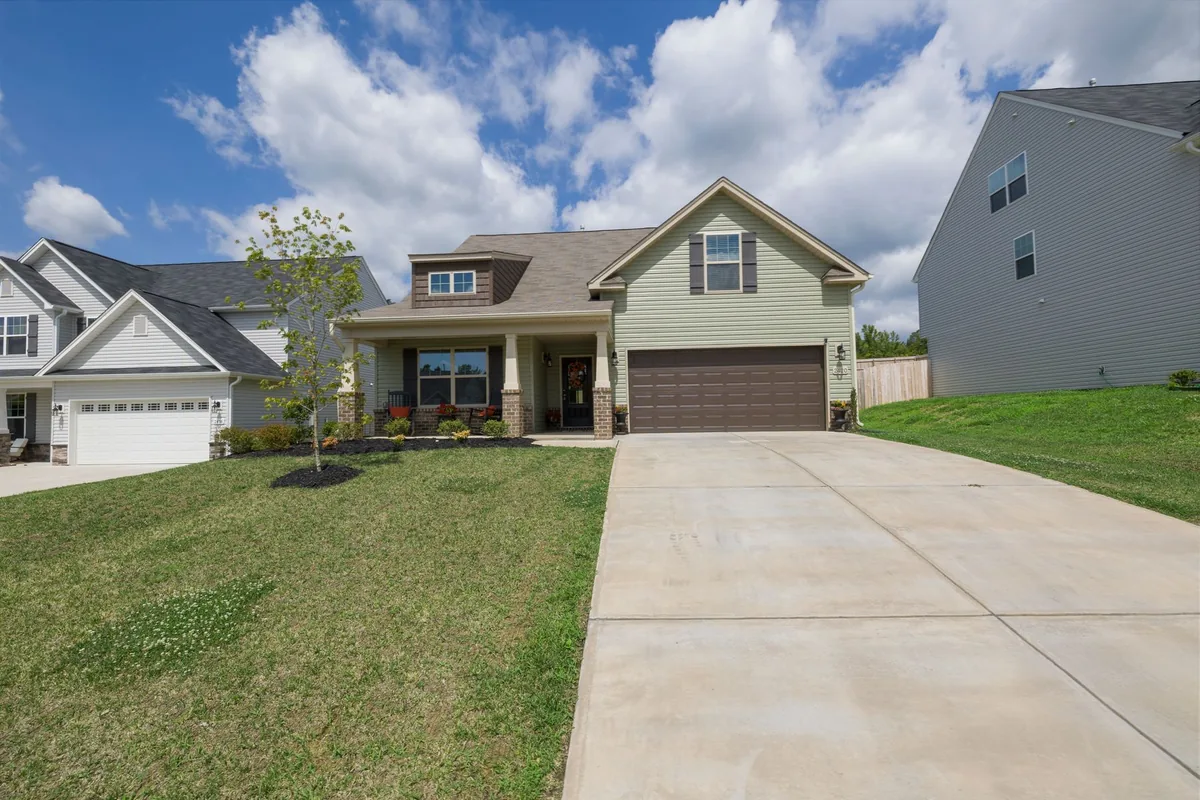
Concrete driveways in St. Cloud FL: what gets poured
A driveway job in St. Cloud is usually one of three: a first full driveway on a house that came with a narrow strip, a replacement for a 1990s or 2000s driveway that has cracked and settled, or an extension that adds a lane for a boat, a trailer or a third car. Each is the same slab of concrete; what changes is how much comes out first and how the new concrete meets the street.
- Full new driveway from the garage to the road, including the apron in the right-of-way.
- Tear-out and replacement of a cracked, settled or root-lifted driveway.
- Widening for a third car or an RV, covered on the driveway extension page.
- Broom, stamped or exposed-aggregate finish, and a border or ribbon at the edges if wanted.
- Walkway from the driveway to the front door, poured at the same time.
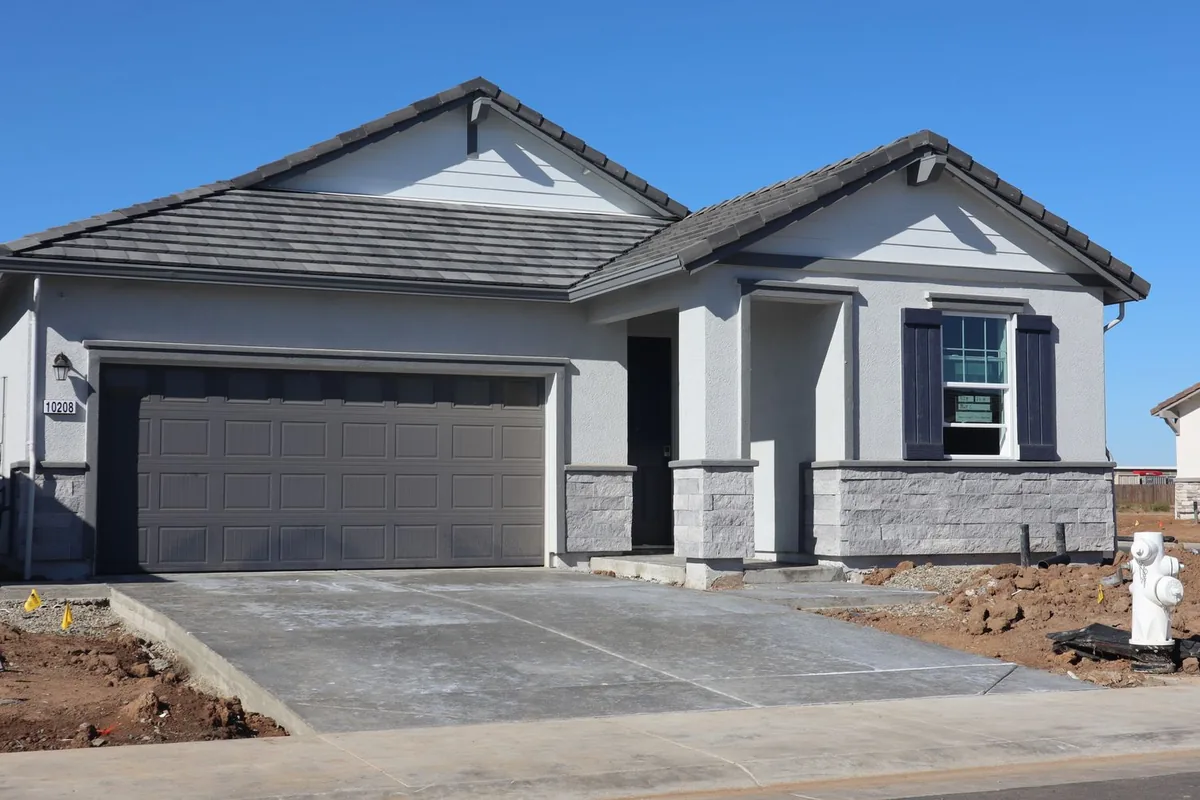
How a St. Cloud driveway is built
The base under it
The ground under most St. Cloud driveways is fine flatwoods sand, and on many lots the water table sits within a foot or two of the surface in the rainy season. Concrete itself doesn't mind sand; what breaks a driveway is a soft spot left by roots, a leaking irrigation line or loose fill. Those are dug out, the sand is compacted in lifts, and the forms are set so water sheds off the slab toward the yard or the street, never toward the garage. The sandy soil guide has the soil survey numbers.
Thickness and reinforcement
Four inches is the residential standard for passenger cars; 5 inches suits a driveway where a box truck or a camper will park. At the street end, Osceola County's road specifications call for 6 inches of concrete with wire mesh or fiber mesh from the edge of the pavement to the right-of-way line, and where a public sidewalk crosses the driveway the sidewalk section becomes 6 inches of Class I concrete reinforced with 6 by 6 wire mesh or fiber.
| Part of the driveway | Thickness | Rule or source |
|---|---|---|
| Driveway on the lot, cars | 4 in | Residential standard (Portland Cement Association guidance) |
| Driveway on the lot, trucks or RV | 5 in or more | Portland Cement Association guidance |
| Apron, edge of road to right-of-way line (county) | 6 in, wire or fiber mesh | Osceola County Road Construction Specifications |
| Sidewalk crossing the driveway (county) | 6 in Class I, 6 x 6 mesh or fiber | Osceola County Road Construction Specifications |
| Concrete over a driveway culvert (county) | 4 in over the pipe, 6 in at the road | Osceola County Road Construction Specifications |
| Apron inside St. Cloud city limits | Per the City's detail | Ask Public Works, 407-957-7269 |
Osceola County Road Construction Specifications (August 2015, updated March 31, 2025), Article on portland cement concrete and culverts. The City of St. Cloud's own apron detail was not published where we could read it; confirm it with Public Works.
Joints, finish and curing
Control joints go in every 8 to 10 feet or so on a 4 inch driveway, tooled while the concrete is fresh or saw-cut the next morning. A broom finish gives grip on wet mornings; a stamped or exposed-aggregate finish costs more and needs sealing. In summer the slab is kept damp while it cures, and cars stay off it for about a week.
Driveway permits in St. Cloud and Osceola County
The answer depends on who owns the road in front of the house. Inside St. Cloud the City's permit page says any work within the right-of-way requires Public Works and Engineering approval, and Public Works charges $110 per right-of-way permit, $30 per curb cut and $100 per driveway inspection for a single-family home. In Harmony, Narcoossee, Holopaw and the rest of unincorporated Osceola County, the county code requires a driveway permit for any residential driveway construction or widening. A driveway that connects to a state highway, such as US 192 or US 441 east of town, needs a connection permit from the Florida Department of Transportation as well.
The full fee tables and forms are in the St. Cloud driveway permit guide and the Osceola County permit guide.