St. Cloud Pro Concrete
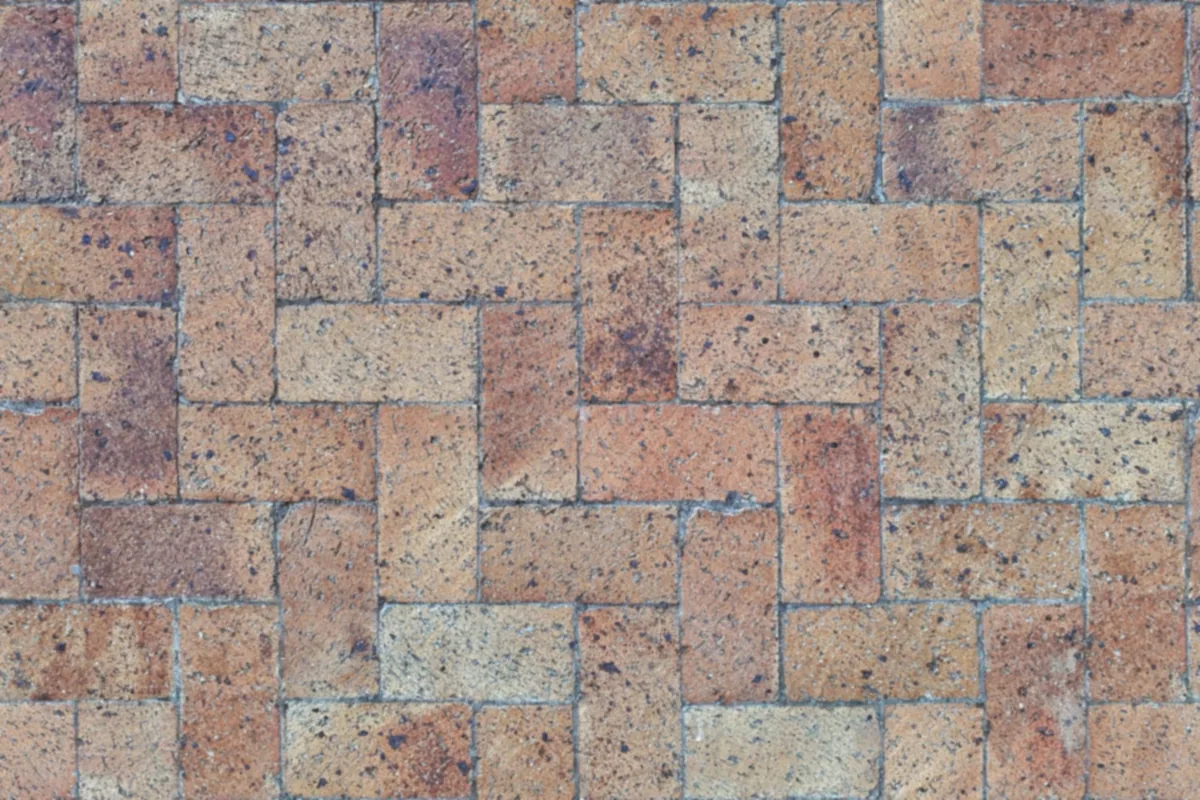
Close-up of clay-colored pavers laid in a herringbone pattern

St. Cloud, FL Materials

Pavers vs Concrete in Florida: Driveways and Pool Decks

In Florida, poured concrete costs less up front than pavers, about $4 to $7 per square foot for a plain patio against $8 to $15 for concrete pavers in the Orlando area (Angi, 2026), and has no joints to weed. Pavers cost more but lift out for repairs. This guide compares the two for St. Cloud driveways and pool decks: price, heat, settling on sand, upkeep and permits.

$4 to $7
Per sq ft, concrete patio, Orlando area (Angi, 2026).
$8 to $15
Per sq ft, concrete pavers, Orlando area (Angi).
$9 to $30
Per sq ft, stamped concrete, Orlando area (Angi).

Last reviewed November 2026.

Pavers vs concrete in Florida: price

Installed prices, Orlando area unless noted (2026)
SurfacePrice per sq ftTypical job
Plain concrete patio$4 to $7Average $2,865
Concrete driveway$5 to $21Average $6,490 (incl. tear-out jobs)
Stamped concrete$9 to $30Average $4,604
Concrete pavers (patio)$8 to $15Paver patios average $3,853
Brick or clay pavers (patio)$10 to $20
Natural stone pavers (patio)$15 to $51
Concrete pool deck, broom finish$5 to $13600 sq ft about $4,800 (concreteslabcost.com)

Sources: Angi 2026 Orlando cost guides for concrete patios, concrete driveways, stamped concrete and paver patios; concreteslabcost.com pool deck guide (October 2026). Quotes vary by site.

Angi's paver figures here are for patios; a paver driveway sits on a thicker base built for vehicles and is quoted on its own. For comparison, a plain concrete two-car driveway of about 480 square feet models at $2,590 to $6,520 (concreteslabcost.com). Stamped concrete overlaps the paver range, which is why it is the usual middle ground for people who want a pattern.
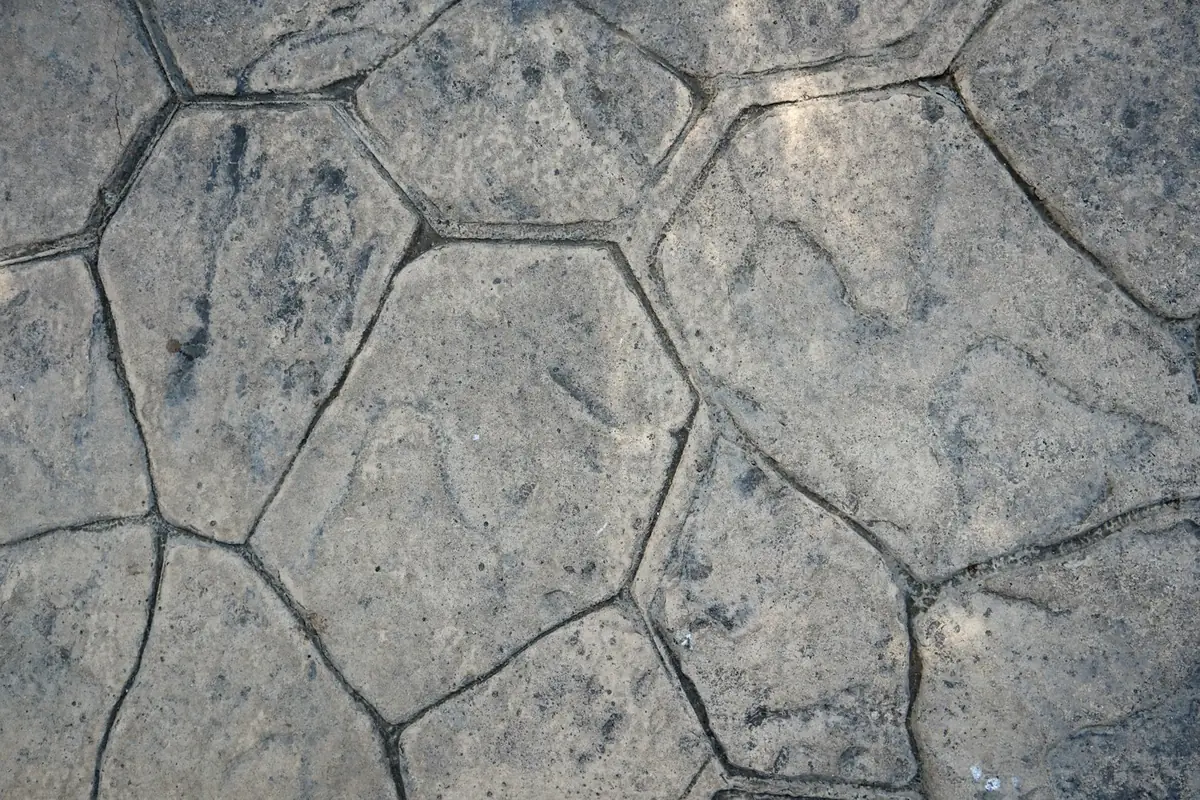
Gray flagstone-pattern surface with deep joints between the stones
A gray flagstone pattern with deep, hand-tooled joints.

How each behaves on St. Cloud ground

Sand and water

Around St. Cloud the native soil is mostly deep flatwoods sand with a seasonal high water table (the sandy soil guide has the USDA figures). Both surfaces depend on a compacted base. When water washes sand out from under them, concrete cracks across the void and pavers drop one by one; pavers are easier to lift and reset, concrete is harder to undermine in the first place because it bridges small soft spots.

Joints, weeds and ants

A paver surface is thousands of joints filled with sand, and in Florida's heat and rain that sand washes out, weeds root in it and ants mine it unless it is re-sanded and sealed. Concrete has a joint every 8 to 10 feet or so and nothing between.

Heat underfoot

Color matters more than material: dark pavers and dark-stained concrete both get hot in July sun, and light sand or buff tones stay more tolerable. Around pools, a light cool-deck coating over concrete is the common answer; the pool deck page covers it.

Upkeep

Plain concrete needs cleaning and, optionally, a penetrating sealer (see driveway sealing). Stamped concrete needs resealing every two to three years. Pavers need re-sanding and sealing on a similar cycle, plus occasional resetting.
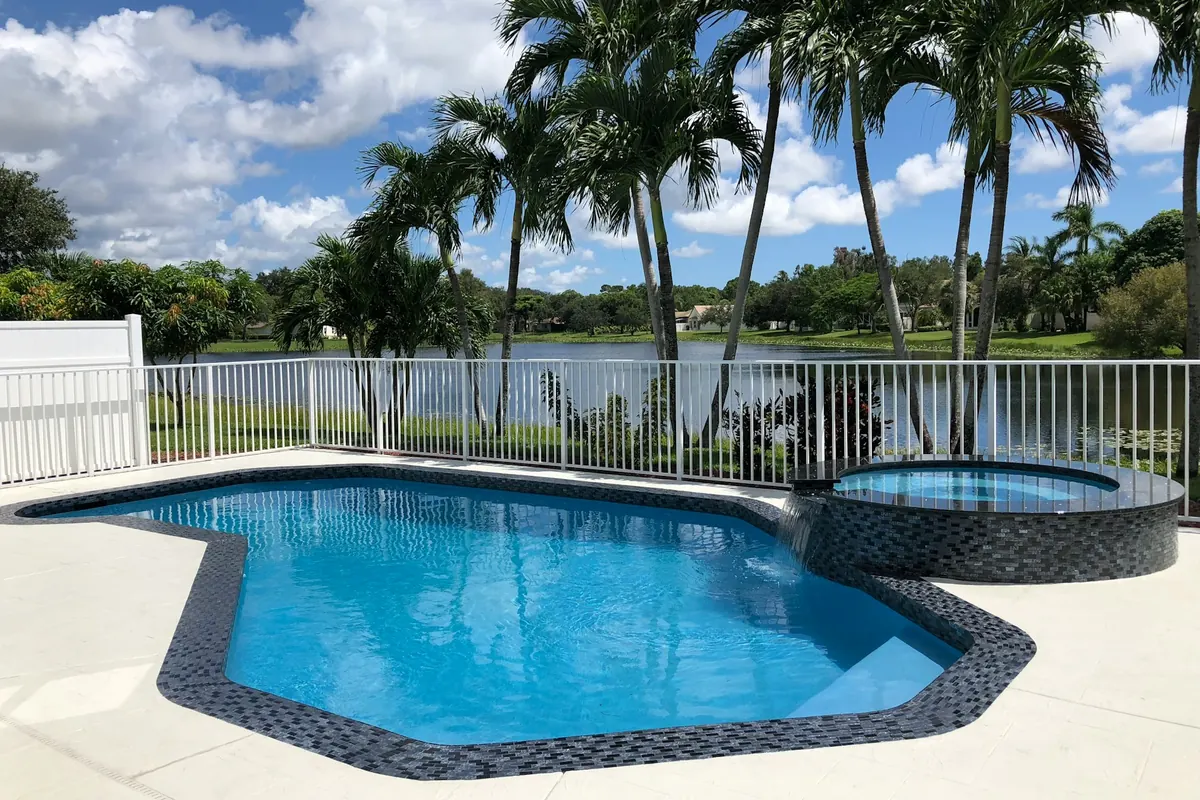
Backyard pool with a light-colored concrete deck, a raised spa, palm trees and an aluminum fence facing a lake
A light concrete deck around a pool and spa, fenced toward the lake.

Permits: one difference in St. Cloud

The City of St. Cloud's permit page lists paver driveways and sidewalks as items it sends to Public Works rather than the building department, while a concrete pad is on its building permit list. Either way, anything in the right-of-way needs a Public Works permit; the St. Cloud permit guide has the fees.
Get a Free Quote

Tell us the job and where it is. The quote is free.

Pavers vs Concrete: Questions

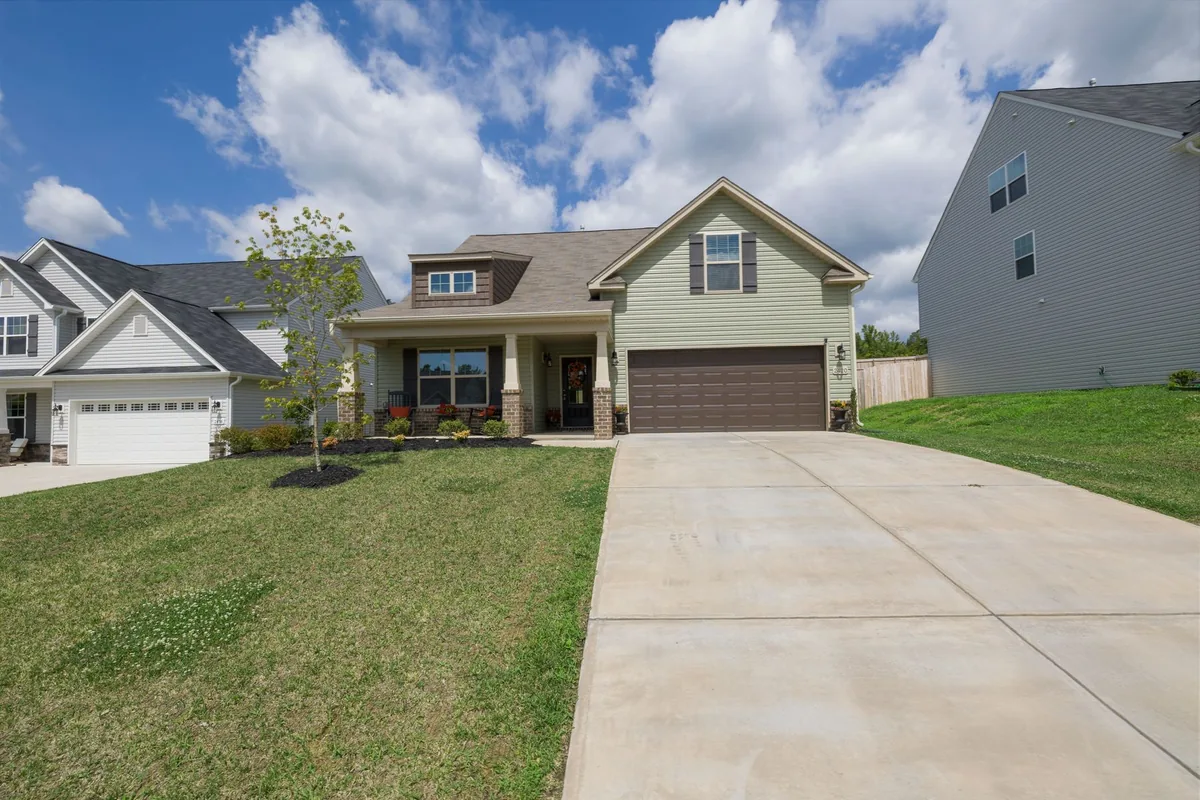
Long concrete driveway rising to the two-car garage of a newer house with a green lawn
A long driveway climbing to a two-car garage.

Are pavers better than concrete in Florida?

Neither wins everywhere. Concrete costs less to install, has no joints for weeds and ants, and is the simpler surface to keep clean; pavers cost more but can be lifted and relaid when the sand under them shifts or a pipe has to be reached. In the Orlando area a plain concrete patio runs $4 to $7 per square foot against $8 to $15 for concrete pavers (Angi, 2026).

Do pavers sink in sandy soil?

They can, like any surface on poorly compacted sand. Pavers sit on a compacted base and bedding sand with edge restraints holding them in; where water washes the bedding out, at a downspout or a pool edge, individual pavers settle and can be lifted and reset. A concrete slab on the same ground cracks instead, and is repaired by patching or replacing panels.

Which costs more to maintain, pavers or concrete?

Pavers usually do over time: the joints need re-sanding and the surface periodic sealing to keep sand in and weeds out. Plain concrete needs only cleaning and, if you like, a penetrating sealer; stamped concrete sits in between, with resealing every two to three years at about $2.50 to $4 per square foot in the Orlando area (Angi).

What is the cheapest pool deck surface in Florida?

Plain broom-finished concrete, at about $5 to $13 per square foot in the October 2026 concreteslabcost.com model, with a cool-deck coating adding $4 to $8. Pavers and stamped concrete cost more per square foot at installation.

Leaning toward concrete?

Send the area, what it's for and the address. The quote is free.

Get a Free Quote