St. Cloud Pro Concrete
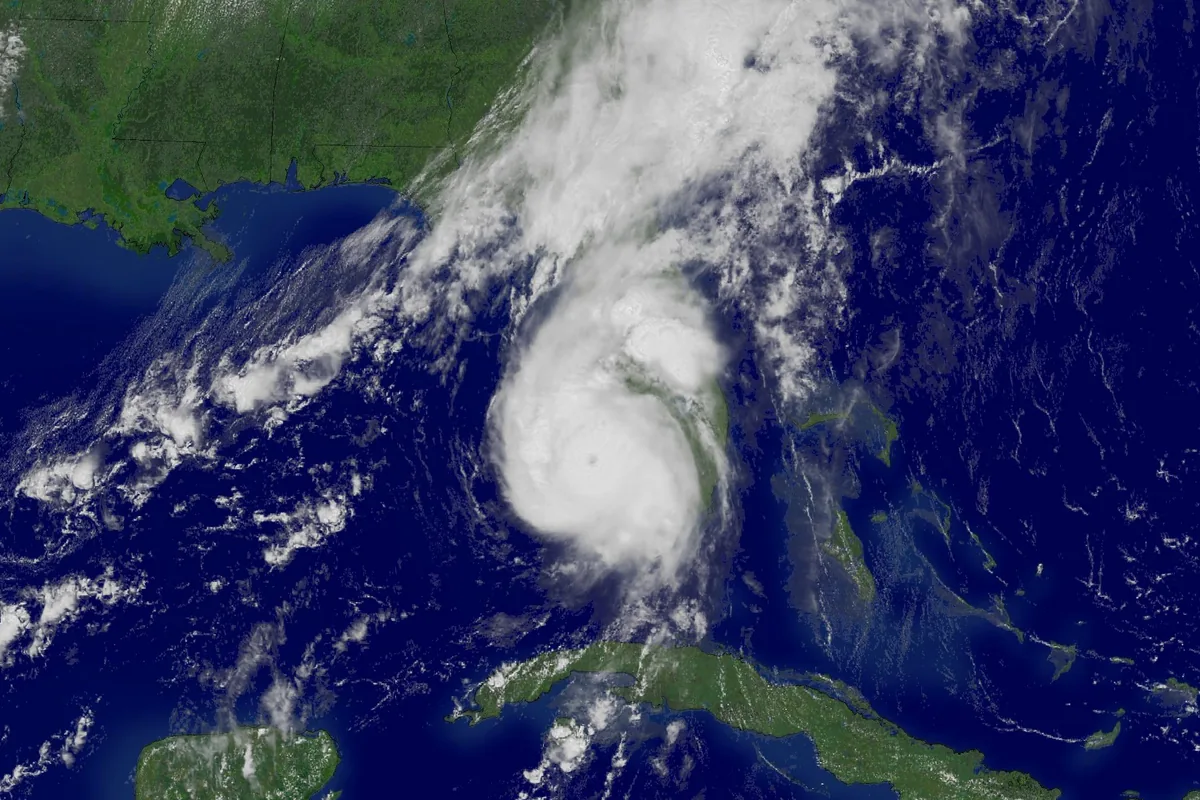
Satellite image of Hurricane Charley off the southwest coast of Florida in August 2004

St. Cloud, FL Generator pads

Generator Pad in St. Cloud FL

St. Cloud Pro Concrete pours generator pads in St. Cloud FL for whole-house standby generators: a level concrete base in the spot the manufacturer's clearances allow, raised above the yard so storm water drains away from it. Generac's installation guide asks for the unit to be level within half an inch, 18 inches from the wall and 5 feet from windows and doors; a generator pad typically runs $1,000 to $4,000 or more (RemodelingExpense, 2026), priced per job.

18 in / 5 ft
Generac minimums: behind the unit / from windows, doors and openings.
June 1 to Nov 30
Atlantic hurricane season.
$1,000 to $4,000+
Generator pad, priced per job (RemodelingExpense, 2026).

Generator pads in St. Cloud FL: placement comes first

Hurricane Charley crossed Osceola County on August 13, 2004, and the National Weather Service's survey notes a brief tornado in Harmony along US 192 as it passed. Long outages after a storm like that are why a standby generator, and a level pad for it, are worth planning before hurricane season. The pad is the first piece of that install, and where it goes is set by the generator maker's clearances, not by where there happens to be space.

Clearances for a Generac air-cooled home standby generator
WhereMinimumNote
Behind the unit (to the wall)18 inPer NFPA testing and listing, unless codes require more
Front and ends3 ftShrubs, bushes and trees count as obstructions
Above the unit5 ftNo installing under decks or overhangs without it
Operable windows, doors, wall openings5 ft from any point of the unitKeeps exhaust out of the house
HVAC fresh-air intakes10 ft horizontallyPer the mechanical code note in the guide
LevelWithin 0.5 in all aroundWhatever the base: gravel, compacted soil, stone or concrete

Source: Installation Guidelines, 60 Hz Air-Cooled Generators 11 kW and 20 kW (Generac-built, Part No. 10000027522 Rev. A), Site Selection and Preparation. Always follow the guide for your model and local codes.
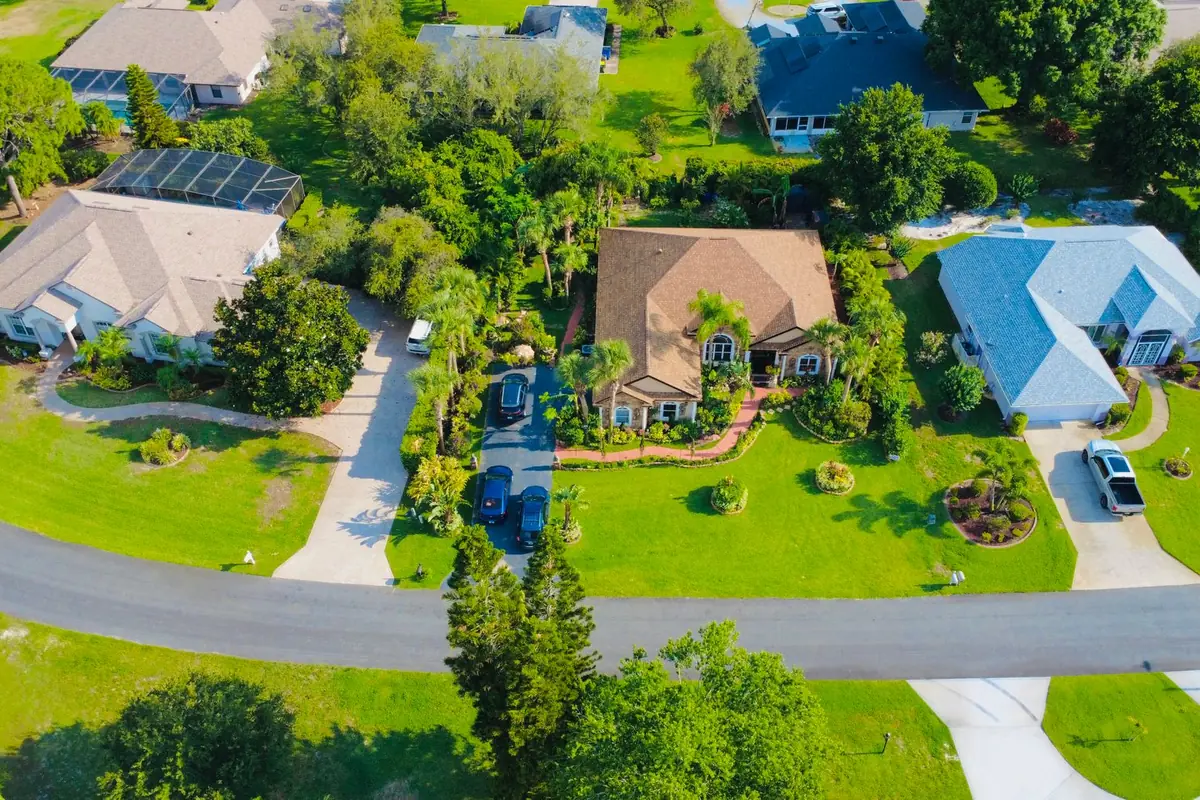
Aerial view of single-story homes and long concrete driveways among trees in Florida
Long driveways and big lots in a wooded Florida neighborhood.

How the pad is built

Above the water

The guide is blunt: install the generator on high ground where water levels will not rise, and never in standing water. On the flat flatwoods lots around St. Cloud, where the water table rises in the wet season, the pad is formed a few inches above the surrounding grade on a compacted base and kept clear of downspouts and sprinkler heads.

Size and anchors

The pad matches the unit's footprint with a margin around it (the guide's gravel option uses an area about 6 inches longer and wider than the generator). The unit's composite base has mounting holes where codes call for it to be secured to concrete, so anchors are drilled to that pattern.

  • Spot checked against all clearances, including neighbors' windows near the property line.
  • Close to the gas meter or tank and the transfer switch, to keep the runs short.
  • Raised, compacted base and a level pad.
  • Electrical conduit and gas line routes planned before the pour.
  • Permits: the pad, and separately the electrical and gas work.

Permits and the $7,500 exemption

Inside city limits a residential concrete pad is a City of St. Cloud permit with a $60 base fee in the 2026 schedule. The generator's electrical and gas work is permitted by those trades, and the state's $7,500 permit exemption doesn't apply to electrical, gas or mechanical work in any case. The St. Cloud permit guide explains the exemption.
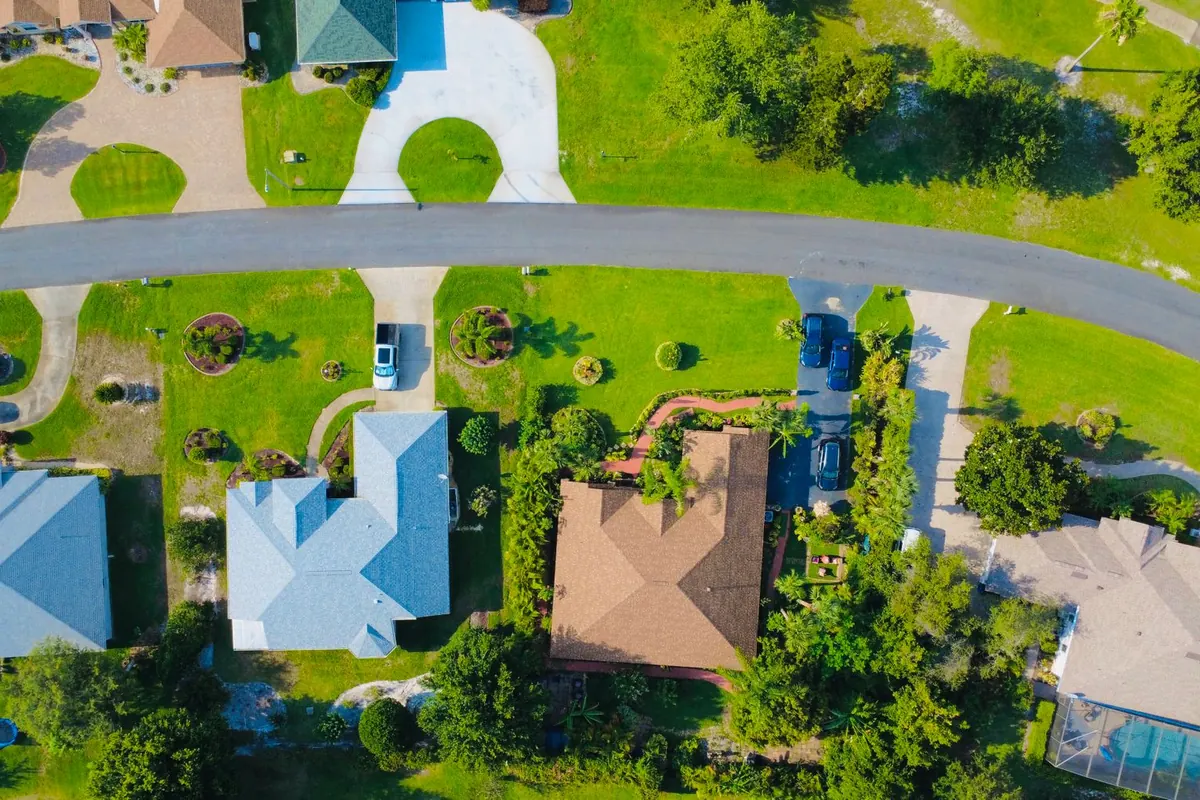

Aerial view of single-story homes with concrete driveways along a curving street in Florida
Single-story homes and their driveways along a curving Florida street.
Get a Free Quote

Tell us the job and where it is. The quote is free.

Generator Pads in St. Cloud: Questions

Close-up of a shovel working through wet concrete
Wet concrete being worked into place.

How far from the house does a standby generator have to be?

For Generac's air-cooled home standby units, the installation guidelines call for at least 18 inches of clearance behind the generator, 3 feet at the front and ends, 5 feet above it, and no operable windows, doors or wall openings within 5 feet of any point of the unit. Local codes can be stricter, and fresh-air intakes for HVAC equipment need more distance.

Does a standby generator need a concrete pad?

Not always. Generac's guide says the generator is typically placed on pea gravel, compacted soil, crushed stone or a concrete pad, and that local codes decide what is required; it must be level within half an inch. A concrete pad gives the most stable, level base and a solid surface to bolt to, which is why many Florida installers prefer one.

When should a generator pad be poured before hurricane season?

Well ahead of it. The Atlantic hurricane season runs June 1 through November 30, and installers' calendars fill after any storm threat. Pouring the pad in the dry months, when the ground is firm and pours aren't fighting afternoon storms, leaves time for the electrical and gas permits that follow.

Can a generator sit where water collects?

It shouldn't. Generac's guide says to install the generator on high ground where water levels will not rise, and that it should not operate in or be subjected to standing water. On flat St. Cloud lots that means a pad raised above the surrounding grade, away from downspouts and sprinkler spray.

Getting a generator before the next storm?

Send the generator model if you have it, the spot you are thinking of and the address. The quote is free.

Get a Free Quote