Concrete contractor in Holopaw FL: a sawmill town turned ranch country
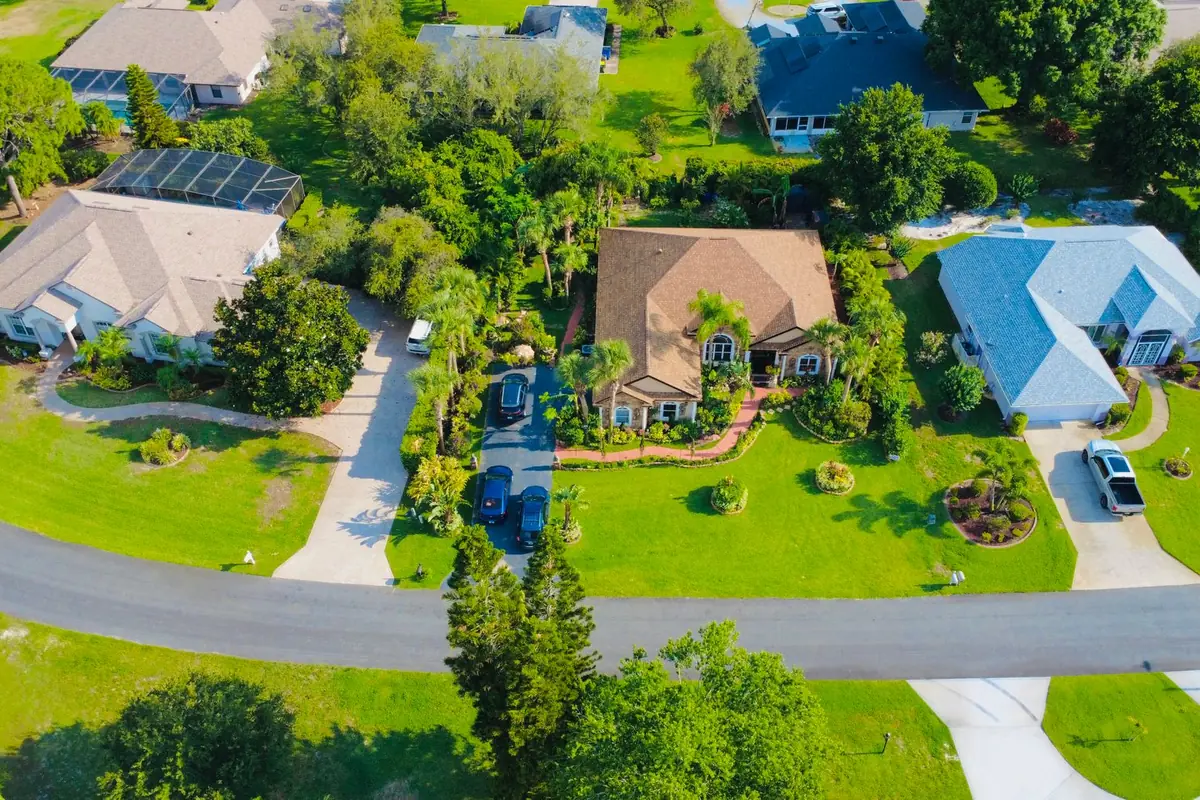
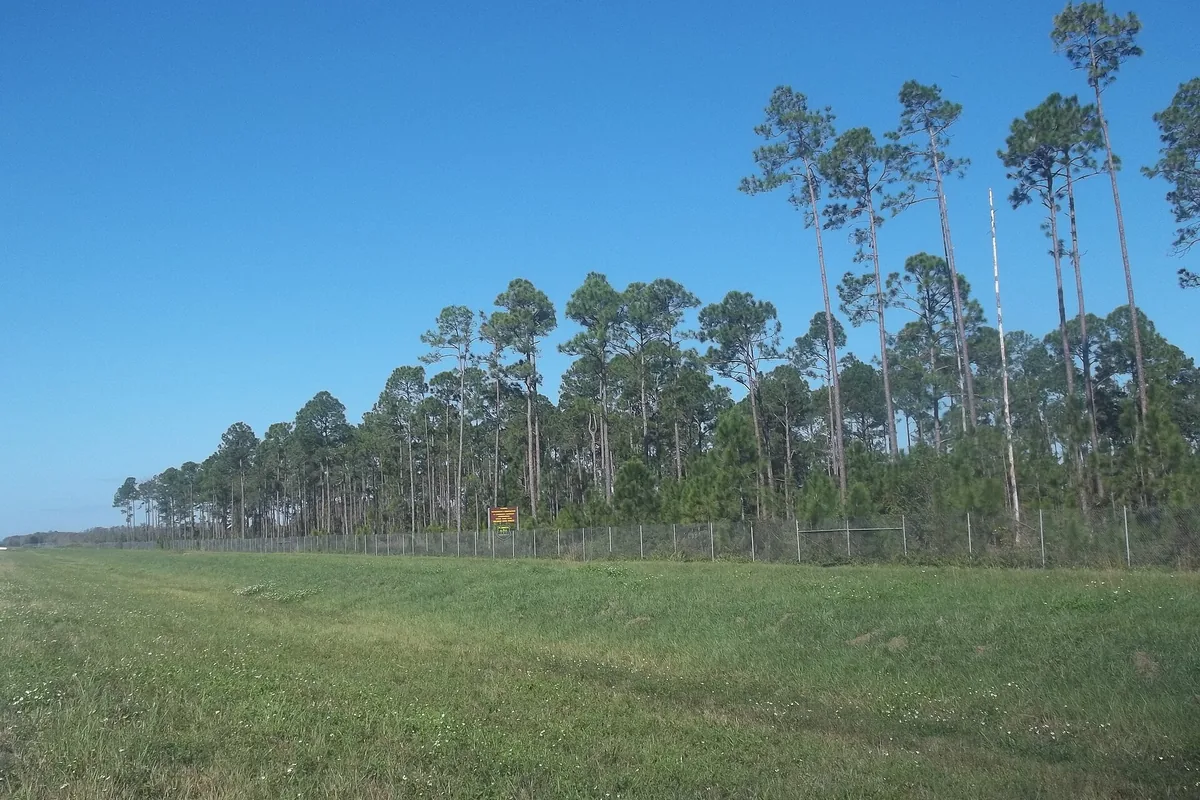
Holopaw sits at the eastern end of the stretch where US 192 and US 441 run together east of St. Cloud. It grew around J.M. Griffin's sawmill, which opened in 1923 and became the largest operation in the St. Cloud area with over 500 workers, and around a stop on the Florida East Coast Railway's Kissimmee Valley line. The mills closed, rail service ended in 1947 and the post office in 1954. Today the land is cattle, timber and citrus, with Holopaw State Forest nearby and homes on acreage lots.
- Pole barn, equipment and detached garage slabs, with thickened edges for the building.
- Long driveways and turnarounds off a state highway or a county road.
- Driveway aprons over roadside ditches, with culverts to the county spec.
- Pads for standby generators, well equipment, feed bins and fuel tanks.
Driveways off the highway
State roads
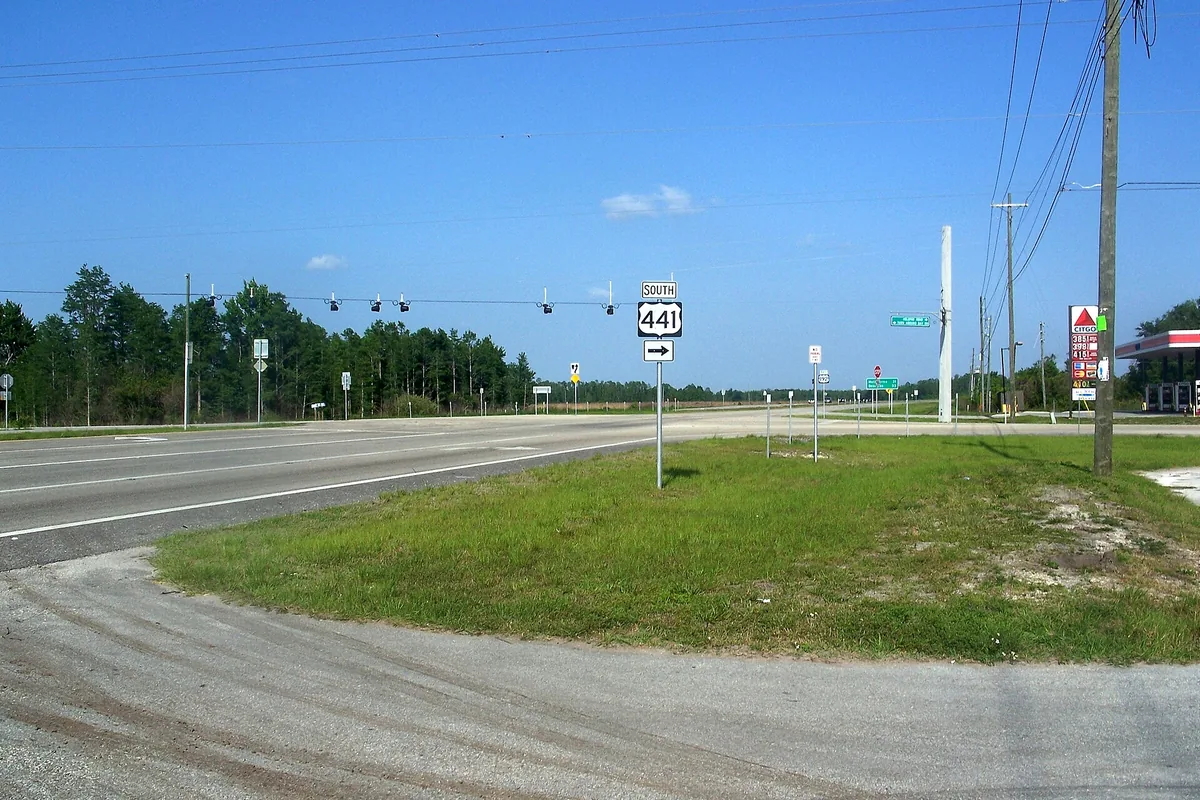
US 192 and US 441 are state highways. Florida Administrative Code Rule 14-96.003 is short on the point: no person may construct, relocate or alter a connection, temporarily or permanently, without first obtaining a connection permit from the Department of Transportation, regardless of other government permits and approvals. That covers a new driveway onto either highway and a change to an existing one.
County roads and culverts
On county roads, the county driveway permit and its road specifications apply, including the culvert rules where a driveway crosses a ditch.
| Item | Requirement |
|---|---|
| Culvert pipe | Reinforced concrete, HDPE or corrugated metal, with mitered end sections (manufactured ends on HDPE) |
| Concrete over the pipe | At least 4 in, increasing to 6 in at the roadway edge |
| Driveway concrete to the right-of-way line | 6 in deep, wire or fiber mesh throughout |
| Width | 24 ft maximum for a residential driveway unless approved by conditional use |
Sources: Osceola County Road Construction Specifications (updated March 31, 2025); Osceola County Code Sec. 22-50.6.
Slabs on flatwoods ground
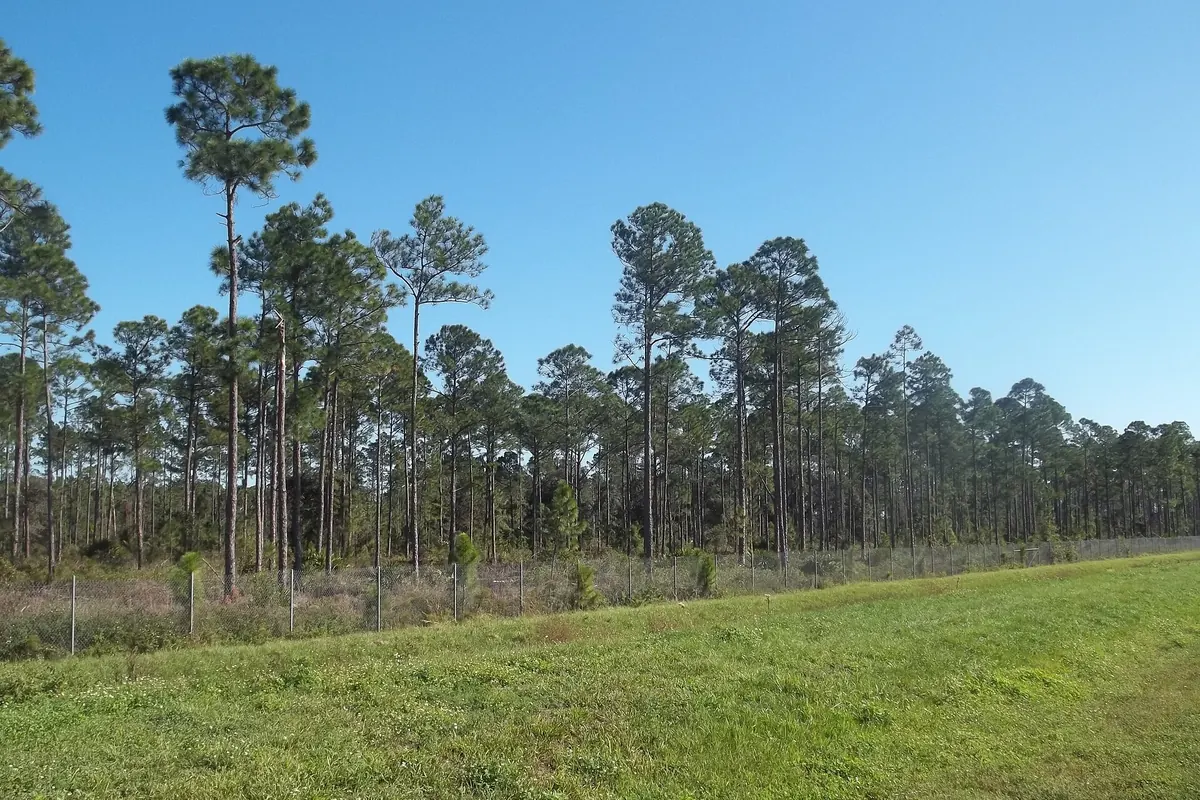
Holopaw-area lots are mostly pine flatwoods: deep, poorly drained sands with a water table that rises close to the surface in the wet season. A barn or garage slab out here usually starts with fill to raise the pad above the surrounding ground, compacted in layers, and a grade that sheds water away; the sandy soil guide explains why. On a rural lot a standby generator needs its own level generator pad, set on high ground before hurricane season.